The new wave of alarm
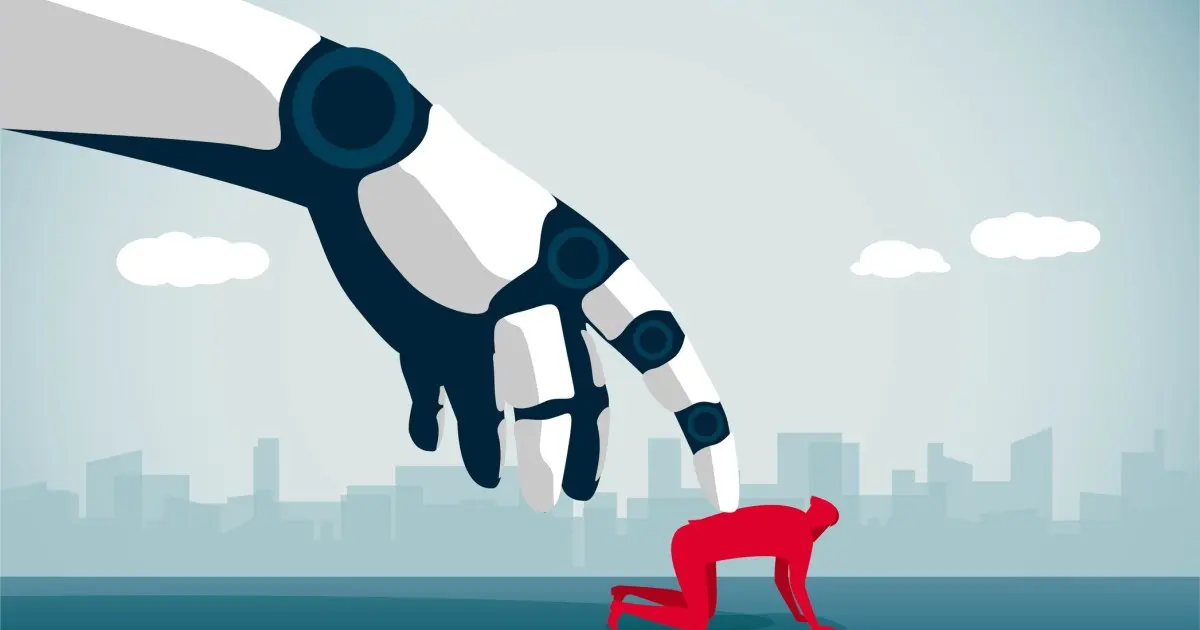
In the past week, dozens of CEOs, researchers, and venture capitalists have taken to podcasts, op‑eds, and conference panels to proclaim that artificial intelligence is on the brink of becoming an existential threat. The chorus began after a closed‑door summit hosted by the nonprofit Equity, where participants debated whether AI could outpace human control and cause irreversible harm.
Why the panic is gaining traction
Two factors are converging to amplify the warnings. First, the rapid rollout of multimodal models that can generate code, text, images, and even hardware designs in seconds has shattered previous timelines for AI capability. Second, high‑profile incidents—such as an autonomous‑driving system misclassifying a pedestrian in a live demo and a language model producing disallowed political propaganda—have provided concrete, media‑friendly examples of failure.
What the debate hides
Beyond the headline‑grabbing rhetoric, the discussion reflects deeper strategic concerns:
- Regulatory pressure: Lawmakers in the EU, US, and China are drafting legislation that could impose strict safety audits on models above a certain parameter count.
- Capital allocation: Venture firms are tightening due diligence, demanding detailed risk assessments before funding AI startups.
- Talent migration: Top engineers are gravitating toward firms that publicly commit to safety research, leaving other companies scrambling for expertise.
Developers: concrete steps to mitigate risk
For engineers building on or with large models, the warnings translate into actionable best practices:
- Implement robust evaluation pipelines that include adversarial testing, bias audits, and real‑world scenario simulations before release.
- Adopt model‑card documentation that details training data provenance, intended use cases, and known limitations.
- Integrate continuous monitoring tools that flag anomalous outputs in production, enabling rapid rollback.
Founders: strategic pivots for a volatile market
Startup leaders must reassess product roadmaps and fundraising narratives. Prioritising safety can become a market differentiator, but it also demands resources:
- Allocate a dedicated AI safety budget—typically 5‑10% of R&D spend—for internal audits and external third‑party reviews.
- Engage early with regulatory consultants to map upcoming compliance requirements and avoid costly retrofits.
- Build transparent communication channels with users, outlining both capabilities and known failure modes.
Industry‑wide implications
The heightened alarm is unlikely to fade until a consensus emerges on measurable safety standards. Until then, the AI ecosystem will see a shift toward more guarded development cycles, stricter licensing agreements, and a premium on explainability.
Bottom line for the technical community
Whether the doom narrative is overblown or prescient, it forces a practical reality check: AI systems are now powerful enough to cause real‑world damage, and the cost of ignoring that fact is rising. Developers should embed safety checks into every stage of the pipeline, and founders must position their companies as responsible stewards of the technology. The next wave of funding and regulation will reward those who can prove their models are not just clever, but also controllable.