OpenAI’s IPO plans hit pause
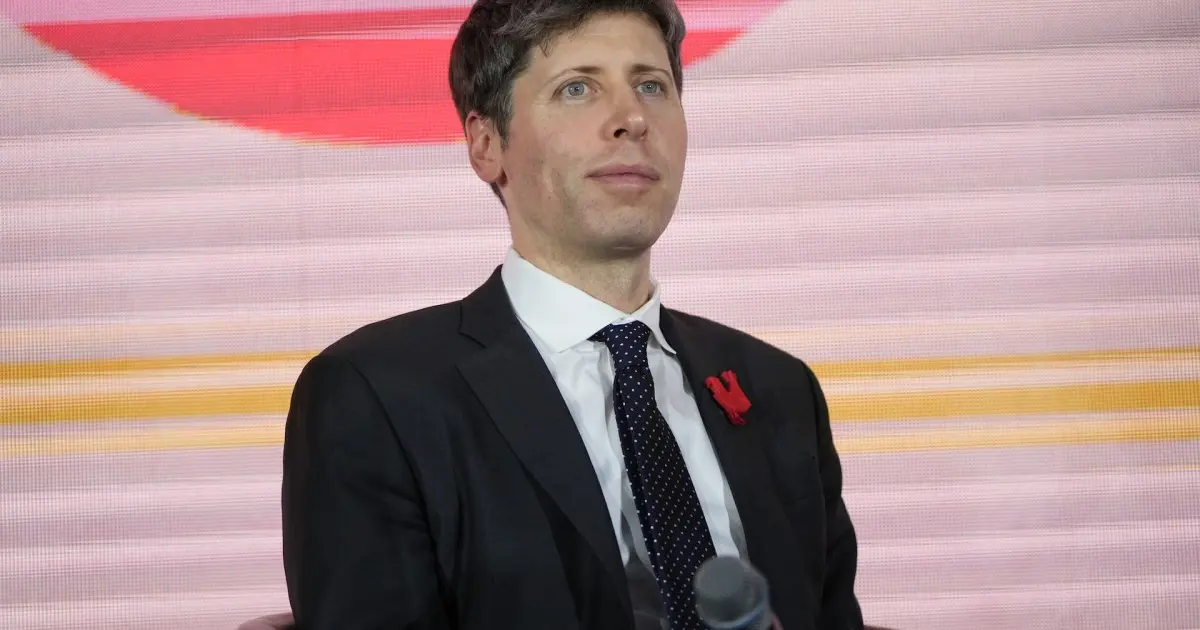
OpenAI confirmed it has filed a confidential registration statement with the U.S. Securities and Exchange Commission, a standard step toward an initial public offering. Yet, in a recent interview, CEO Sam Altman said the company will not list on a stock exchange in 2026, describing a public debut that year as “ill‑advised.”
Why the delay matters
Going public would give OpenAI access to a broader capital pool and a market‑based valuation, but it also subjects the firm to quarterly earnings pressure, heightened shareholder scrutiny, and stricter disclosure obligations. Altman argues that the AI landscape is still in a “regulatory flux” phase, with governments worldwide drafting rules on generative AI safety, data usage, and export controls. A premature IPO could lock the company into a compliance regime before the rules solidify, potentially hampering rapid product iteration.
What happened
TechCrunch reported that OpenAI’s confidential filing was made in early 2026, a move that typically signals intent without committing to a timeline. Shortly after, Altman took to a public forum and said the company will focus on “building the next generation of models, scaling infrastructure, and working with policymakers” before entertaining a market debut. He added that the board is monitoring market conditions, but the consensus is that 2026 is not the right year.
Implications for developers and founders
- Tool stability over hype: OpenAI’s decision suggests it will prioritize model reliability and safety, which benefits developers who depend on consistent APIs.
- Long‑term partnership outlook: Without the pressure of quarterly earnings, OpenAI can negotiate multi‑year licensing deals, giving startups more predictable pricing.
- Regulatory headroom: A private status allows OpenAI to experiment with emerging compliance frameworks without the immediate need to disclose every change to shareholders.
What founders should do now
Founders building on OpenAI’s platform should treat the company’s roadmap as a stable, long‑term commitment rather than a short‑term market‑driven pivot. Consider the following actions:
- Lock in multi‑year usage agreements while they remain available, securing lower rates before any future public‑market pricing pressure.
- Invest in internal safety and alignment tooling; OpenAI’s focus on responsible AI will likely surface new best‑practice APIs and audit logs that early adopters can leverage.
- Stay informed on policy developments. OpenAI is actively shaping AI regulation, and early alignment can give your product a compliance advantage.
What developers can watch for
Even without a 2026 IPO, OpenAI will still release major model upgrades. Developers should keep an eye on:
- Versioned API releases – OpenAI may introduce “beta‑only” features that won’t be tied to a public‑market rollout.
- Pricing adjustments – While a public listing often triggers price volatility, a private company can still revise rates, but likely with longer notice periods.
- Governance transparency – Expect more detailed safety reports and model cards as OpenAI seeks to demonstrate responsible stewardship to regulators and partners.
Bottom line for the AI ecosystem
Altman’s warning signals that OpenAI is betting on a measured, infrastructure‑first growth path rather than a rush to market capitalization. For developers, founders, and researchers, the takeaway is clear: the platform’s stability and policy alignment will improve, but the competitive landscape will stay intense. Align your product roadmaps with OpenAI’s longer‑term timeline, lock in favorable terms now, and build safety‑first features to stay ahead as the industry matures.