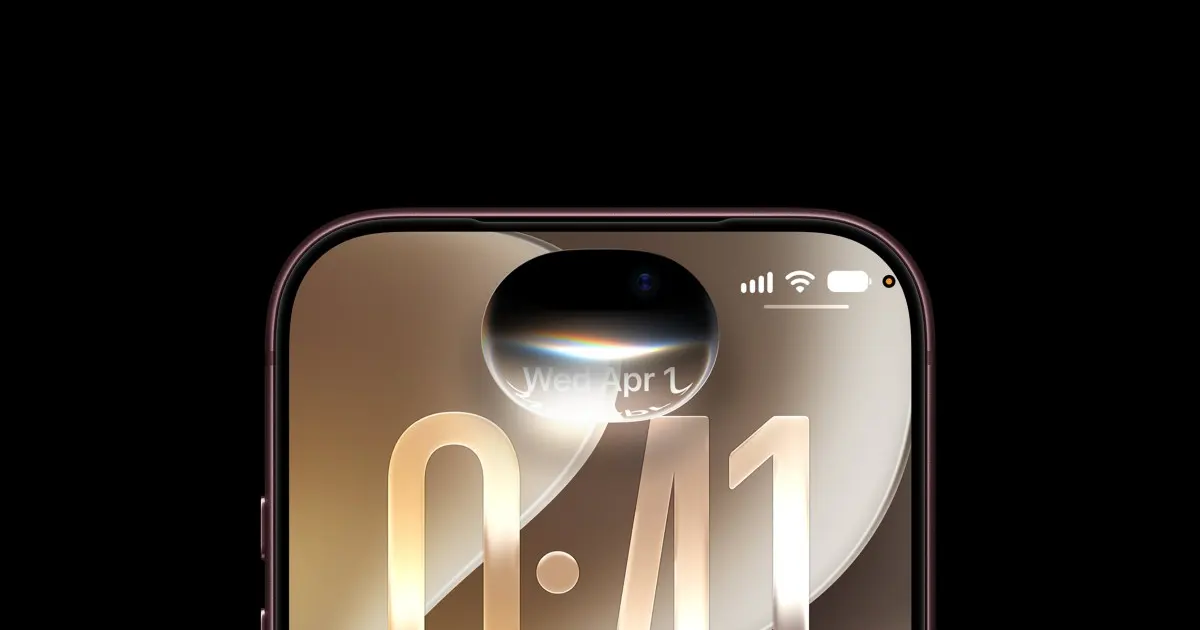
What iOS 27 brings to Siri
Apple’s long‑awaited Siri redesign lands with iOS 27, and it feels like a different product. The new architecture swaps the old rule‑based pipeline for a hybrid large‑language‑model (LLM) core that runs partially on‑device and falls back to Apple’s private cloud for heavy lifting. The result is faster, context‑aware responses that actually understand multi‑turn conversations.
Key upgrades include:
- On‑device inference: Up to 90 % of requests are processed locally, cutting latency to under 300 ms and preserving user privacy.
- Dynamic context stitching: Siri now remembers the thread of a conversation across apps, allowing commands like “Send that link to John” after you’ve just opened a webpage.
- Rich multimodal output: Answers can include formatted tables, code snippets, and even inline graphics without opening a separate app.
- Developer‑first APIs: A new
SiriKit 3.0bundle lets third‑party services register custom intents that the LLM can invoke automatically.
Why the upgrade matters
For years Siri has been the weak link in Apple’s AI strategy, often relegated to setting alarms or checking the weather. iOS 27 changes that narrative by making the assistant a genuine productivity layer. The on‑device model reduces dependence on network conditions, a pain point for developers building real‑time experiences. Moreover, Apple’s decision to keep the LLM proprietary—trained on a curated dataset and sandboxed from the public internet—means developers can trust the output to stay within Apple’s safety guidelines.
Impact on the iOS ecosystem
From a developer standpoint, the new Siri is no longer a novelty but a viable UI alternative. The updated SiriKit introduces IntentHandler classes that can receive structured JSON from the LLM, allowing apps to respond to natural‑language queries without writing exhaustive intent trees. Founders building SaaS tools for developers can now expose their services as voice‑first endpoints, tapping into the 1.2 billion active iPhone users who will see the upgrade within weeks.
| Feature | Old Siri (iOS 26) | Siri in iOS 27 |
|---|---|---|
| Latency | ~1.2 s (cloud‑only) | ~0.3 s (on‑device first) |
| Context depth | 1‑turn | Multi‑turn, cross‑app |
| Developer API | SiriKit 2 (static intents) | SiriKit 3 (dynamic LLM intents) |
| Privacy | Data sent to Apple servers | 90 % processed locally |
What developers and founders should do now
The rollout is phased, but the SDK is available today through Xcode 16 beta. Here’s a practical checklist:
- Update your build target: Switch to iOS 27 SDK and enable the
com.apple.siriKit3capability. - Map existing intents: Use Apple’s migration guide to convert static intent definitions into
DynamicIntentschemas that the LLM can fill. - Leverage on‑device inference: Optimize your model payloads to stay under the 15 MB on‑device quota, ensuring fast responses even offline.
- Test multi‑turn flows: Simulate real conversations with the new
SiriSimulatortool to verify that context is retained across app boundaries. - Consider voice‑first products: If you run a productivity SaaS, prototype a Siri shortcut that triggers your core service via a natural‑language command.
Early adopters who ship a functional Siri integration before the September 30 deadline will appear in Apple’s “Featured Voice Experiences” carousel, gaining organic visibility to millions of users.
Bottom line for the AI community
iOS 27 finally makes Siri a serious competitor to Google Assistant and Amazon Alexa on the mobile front. The blend of on‑device privacy, LLM fluency, and developer‑centric APIs creates a fertile ground for voice‑first innovation. Teams that ignore the update risk falling behind a platform that now offers a ready‑made, high‑quality conversational interface.